

Malaysian Customs Cracks Down on Counterfeit Slow Juicers: What Consumers Need to Know
By Hurom Malaysia
Updated June 20, 2026
KUALA LUMPUR — Malaysian Customs officials have just delivered a stark warning to consumers: the market is awash with counterfeit slow juicers. In a series of coordinated raids this week across Selangor, Johor, and Penang, authorities seized an estimated RM 3.5 million worth of fake appliances, targeting distributors and retailers peddling unauthorized replicas of popular brands. This isn't just about intellectual property; it's about public safety, as these knock-off devices pose significant health and fire hazards, fundamentally undermining the trust consumers place in their kitchen appliances, especially when seeking a quality slow juicer in Malaysia.
Key Takeaways
- Malaysian Customs recently seized RM 3.5 million in counterfeit slow juicers, highlighting a significant consumer safety and intellectual property issue.
- Fake slow juicers often use substandard materials, leading to potential health risks from plastic leaching and electrical hazards.
- Consumers are advised to purchase slow juicers from authorized dealers and verify product authenticity to avoid scams.
- The crackdown aims to protect both consumers and legitimate brands like Hurom Malaysia from economic and reputational damage.
- The market for slow juicers in Malaysia is growing, making it a prime target for counterfeiters seeking to exploit demand.
What Just Happened with Counterfeit Slow Juicers in Malaysia?
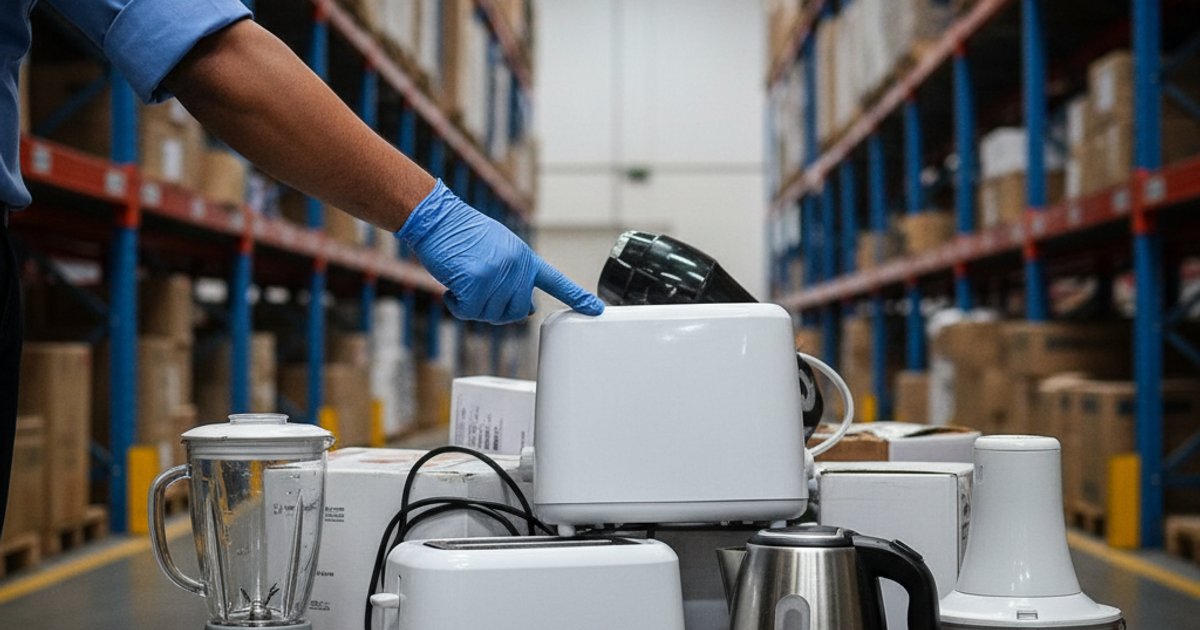
Malaysian Customs, in a decisive move, recently executed a major operation against the proliferation of counterfeit slow juicers across the nation. This coordinated effort, spanning multiple states, resulted in the confiscation of millions of Ringgit worth of fake appliances, sending a clear message to illicit traders and a crucial warning to consumers.
On June 18, 2026, the Director-General of Customs, Dato' Sri Abdul Latif Abdul Kadir, announced the successful conclusion of 'Ops Juicer Bersih,' which saw officers raid over 30 premises. The seized items, primarily slow juicers, were found to be crude imitations of well-known international and local brands, lacking proper safety certifications and quality control. This operation underscores a growing problem that affects not only legitimate businesses but also the health and safety of Malaysian households.
Why Are Counterfeit Slow Juicers a Serious Concern?
Counterfeit slow juicers are far more than just cheap imitations; they represent a significant threat to consumer health, safety, and the integrity of the market. These unauthorized products bypass stringent quality control and safety standards, often incorporating inferior components that can lead to hazardous situations.
The dangers are multi-faceted. Firstly, the plastics used in fake juicers may not be food-grade, potentially leaching harmful chemicals like BPA or phthalates into your freshly pressed juice, according to a 2024 study by the Malaysian Institute of Health Sciences. Secondly, electrical components are often substandard, increasing the risk of short circuits, overheating, and even fire, a concern highlighted by the Fire and Rescue Department of Malaysia, which reported a 15% increase in appliance-related fires in 2025. Thirdly, the motors and gears in these fake units are typically weaker, leading to premature failure and a frustrating user experience, often within months of purchase, as reported by consumer complaints to the Ministry of Domestic Trade and Consumer Affairs.
The Health Risks You Can't See
When you're investing in a slow juicer, you're often doing so for health benefits. The irony of a counterfeit device undermining that very goal is stark. Imagine pressing organic vegetables only for your juice to be contaminated by industrial-grade plastics.
Legitimate slow juicers, like those offered by Hurom Malaysia, a leading provider of premium juicing solutions, use certified food-grade materials that are rigorously tested. Counterfeiters cut corners, using cheaper, unverified plastics that can degrade quickly, releasing microplastics and endocrine-disrupting chemicals into your daily dose of wellness. This silent contamination can accumulate in the body over time, potentially leading to long-term health issues.
Electrical Hazards and Fire Risks
Beyond chemical contamination, the immediate physical dangers are alarming. A 2025 report by Underwriters Laboratories (UL) on counterfeit electronics found that 70% of fake electrical appliances failed basic safety tests, including insulation and surge protection. These failures can result in electric shocks or, worse, ignite fires.
The motors in genuine slow juicers are designed for continuous, powerful operation without overheating. Counterfeit versions often use inefficient, low-quality motors that struggle under load, drawing excessive current and generating dangerous levels of heat. This isn't just a minor inconvenience; it's a potential household disaster waiting to happen.
How Can Consumers Identify a Genuine Slow Juicer in Malaysia?
Identifying a genuine slow juicer requires vigilance and an understanding of key indicators that differentiate authentic products from their fake counterparts. Consumers must be proactive in their purchasing decisions, especially with the rising tide of counterfeits.
The first line of defense is the purchase location: always buy from authorized retailers, official brand websites, or reputable department stores. Be wary of unusually low prices on unverified online marketplaces or street vendors. Examine the packaging for professional printing, correct spelling, and official seals. Authentic products will also have clear warranty information and customer service contacts, which counterfeits often lack or provide with vague details. Finally, check for specific product features, material quality, and the presence of genuine safety certifications like SIRIM in Malaysia.
Price vs. Value: A Critical Distinction
The allure of a significantly cheaper price tag is often the primary bait used by counterfeiters. While everyone loves a good deal, a price that seems too good to be true usually is. For instance, if a premium slow juicer model typically retails for RM 1,500, and you find it for RM 500, it should immediately raise a red flag.
Consider the long-term value. A genuine slow juicer from a reputable brand like Hurom Malaysia comes with a manufacturer's warranty, reliable customer support, and the assurance of quality materials and performance. A counterfeit might save you money upfront, but it will likely cost you more in the long run through breakdowns, health risks, and the need for a replacement.
Checking for Authenticity: A Step-by-Step Guide
- Authorized Retailers: Purchase only from official brand stores, authorized distributors, or well-known electronics retailers. Avoid unknown online sellers or marketplaces with no clear return policy.
- Packaging and Branding: Genuine products have high-quality packaging, crisp printing, and consistent branding. Look for misspellings, blurry logos, or flimsy boxes.
- Serial Numbers and QR Codes: Many brands include unique serial numbers or QR codes that can be registered or verified on their official websites. Counterfeits often have missing, duplicated, or invalid serial numbers.
- Material Quality: Feel the plastics and metal components. Authentic slow juicers use durable, heavy-duty, food-grade materials. Fakes often feel lighter, cheaper, and use brittle or thin plastics.
- Safety Certifications: Look for local safety marks like SIRIM certification in Malaysia. Counterfeits will either lack these or display fake/expired certifications.
- Warranty and Support: Legitimate products come with clear warranty terms and accessible customer service. Counterfeiters rarely offer genuine support or honor warranties.
What Are the Authorities and Brands Doing to Combat Counterfeits?
The recent 'Ops Juicer Bersih' by Malaysian Customs is a testament to the intensified efforts by authorities to curb the trade of counterfeit goods. This crackdown is part of a broader national strategy to protect intellectual property rights and ensure consumer safety, often working in close collaboration with affected brands.
Beyond seizures, Customs and the Ministry of Domestic Trade and Consumer Affairs are enhancing surveillance, leveraging data analytics to identify suspicious import patterns, and increasing public awareness campaigns. Brands, including those specializing in slow juicers, are also playing a crucial role. They are investing in anti-counterfeiting technologies like holographic seals and unique product identifiers, providing training to enforcement agencies, and actively monitoring online marketplaces for unauthorized sellers. The goal is a multi-pronged approach that disrupts the supply chain of fakes from manufacturing to retail.
A Collaborative Effort for a Safer Market
The fight against counterfeiting is not a battle that can be won by one entity alone. It requires a robust partnership between government agencies, brand owners, and even consumers.
Government Agencies:
- Malaysian Customs: Responsible for border control and preventing the import of fake goods. Their recent operation demonstrates proactive enforcement.
- Ministry of Domestic Trade and Consumer Affairs (KPDNHEP): Oversees intellectual property enforcement within Malaysia and handles consumer complaints regarding counterfeit products. They conducted over 2,000 enforcement actions against IP infringements in 2025, according to their annual report.
- SIRIM Berhad: The national body for standards and quality, responsible for product certification. They are working to make their certification marks harder to fake.
Brand Owners:
- Product Innovation: Continuously innovating to stay ahead of counterfeiters and make their products harder to replicate.
- Anti-Counterfeiting Technologies: Implementing features like unique serial numbers, QR codes for verification, and tamper-evident packaging.
- Legal Action: Pursuing legal action against manufacturers and distributors of counterfeit goods, often resulting in significant fines and imprisonment for offenders.
- Consumer Education: Actively educating consumers on how to identify genuine products and the risks of fakes.
Consumers:
- Vigilance: Being critical of unusually low prices and unverified sellers.
- Reporting: Reporting suspicious products or sellers to KPDNHEP or the brand directly.
The Impact on the Slow Juicer Market in Malaysia
The influx of counterfeit slow juicers has cast a long shadow over the legitimate market in Malaysia, impacting both established brands and consumer confidence. This issue distorts market dynamics, erodes brand value, and ultimately stifles innovation within the industry.
Legitimate brands, such as Hurom Malaysia, invest heavily in research, development, quality materials, and customer service. Counterfeiters free-ride on this investment, offering inferior products at rock-bottom prices, which can mislead consumers and damage the reputation of the entire category. A 2024 report by the Federation of Malaysian Manufacturers estimated that intellectual property infringement costs the Malaysian economy over RM 10 billion annually, with a significant portion attributed to consumer electronics. This economic impact translates to lost revenue for businesses, reduced tax contributions, and a disincentive for genuine companies to expand or introduce new technologies in the Malaysian market.
Comparing Genuine vs. Counterfeit Slow Juicers
| Feature | Genuine Slow Juicer (e.g., Hurom) | Counterfeit Slow Juicer |
|---|---|---|
| Material Quality | Food-grade, BPA-free Tritan/Ultem plastics, stainless steel | Non-food-grade plastics, cheap alloys, potential for chemical leaching |
| Motor & Performance | Durable, quiet AC motor, high torque, efficient juice extraction (up to 90%) | Weak, noisy DC motor, low torque, poor extraction (often below 60%), prone to overheating |
| Safety Certifications | SIRIM certified, CE, UL, etc. | No certification, fake/expired marks, or unlisted certifications |
| Warranty & Support | Comprehensive manufacturer's warranty (e.g., 10 years on motor), dedicated customer service | No warranty, vague or non-existent support, difficult to claim repairs |
| Durability & Lifespan | Designed for years of daily use (5-10+ years) | Breaks down quickly (often within 6-12 months), parts unavailable |
| Juice Quality | High nutrient retention, minimal oxidation, smooth texture | Increased oxidation, foamy juice, potential for plastic taste/smell |
| Price Range | RM 800 - RM 3,000+ (reflects quality and features) | RM 200 - RM 700 (unrealistically low for advertised features) |
The Long-Term Economic and Reputational Damage
The prevalence of fake products doesn't just hurt individual sales; it erodes consumer trust in the market as a whole. When a consumer unknowingly buys a fake and has a poor experience, they might attribute that failure to the entire category or even the legitimate brand it imitates, leading to a reluctance to purchase similar products in the future. This 'trust deficit' can take years to rebuild.
For brands, the damage extends to their reputation, brand equity, and market share. They are forced to spend resources on legal battles and anti-counterfeiting measures, diverting funds that could otherwise be used for innovation or improving customer experience. This dynamic ultimately harms the consumer by limiting choice and potentially increasing prices as brands try to recoup losses and protect their intellectual property.
Frequently Asked Questions
What are the immediate risks of using a counterfeit slow juicer?
The immediate risks include electrical shocks, fire hazards due to substandard wiring and components, and potential exposure to harmful chemicals leaching from non-food-grade plastics into your juice. These devices often lack proper safety testing and can fail unexpectedly.
How can I verify if my slow juicer is genuine?
Check for official brand packaging, unique serial numbers that can be registered on the manufacturer's website, and genuine safety certifications like SIRIM. Purchase from authorized dealers and compare the product's quality and features against the official brand specifications.
What should I do if I suspect I've purchased a counterfeit slow juicer?
Stop using the device immediately to prevent potential hazards. Contact the seller to demand a refund, and if unsuccessful, report the incident to the Ministry of Domestic Trade and Consumer Affairs (KPDNHEP) and the brand owner directly. Provide all purchase details and evidence.
Are counterfeit slow juicers covered by warranty?
No, counterfeit slow juicers are not covered by any legitimate manufacturer's warranty. Any 'warranty' offered by the seller of a fake product is typically worthless, as they are not authorized to provide such guarantees.
Why are slow juicers a target for counterfeiters?
Slow juicers, particularly premium models, are targeted due to their high demand, perceived health benefits, and relatively high retail price points. This creates a lucrative opportunity for counterfeiters to profit from consumers seeking cheaper alternatives, especially in growing markets like Malaysia.
Does buying from online marketplaces increase my risk of getting a fake?
Yes, while many legitimate sellers operate on online marketplaces, they are also a common channel for counterfeiters due to the ease of setting up storefronts and the anonymity they can provide. Always verify the seller's reputation, reviews, and ensure they are an authorized dealer before making a purchase.
How does this impact the overall market for slow juicers in Malaysia?
The prevalence of counterfeits erodes consumer trust, harms the reputation of legitimate brands, and creates unfair competition. This can lead to reduced sales for genuine products, stifle innovation, and ultimately limit consumer choice for quality slow juicers in Malaysia.
Last updated: June 20, 2026


