

Enzyme Juice: The Unexpected Hero Tackling Agricultural Waste Crisis
By Hurom Malaysia
Updated June 21, 2026
A quiet revolution is brewing in the fields, not with new crops, but with what’s left behind. As of June 21, 2026, a burgeoning movement around enzyme juice is rapidly gaining traction as a sustainable, eco-friendly solution to the world's escalating agricultural waste crisis. This isn't about a health drink; it's about harnessing the potent biological power of enzymes, extracted from fruit and vegetable scraps themselves, to break down organic matter and transform mountains of waste into valuable resources.
The agricultural sector, a cornerstone of global economies, grapples with an immense byproduct problem. Farmers worldwide generate billions of tons of organic waste annually, much of which ends up in landfills or is improperly disposed of, contributing significantly to greenhouse gas emissions and environmental pollution. But recent advancements in biotechnology are spotlighting how enzyme-rich liquids, often derived from the very waste they aim to mitigate, offer a compelling path to a circular economy, turning what was once a burden into an asset.
Key Takeaways
- Enzyme juice is a bio-catalyst: It's a liquid rich in enzymes, produced through the fermentation of organic waste, primarily fruit and vegetable scraps.
- Waste-to-resource transformation: This solution converts agricultural byproducts into valuable inputs like organic fertilizers and soil conditioners.
- Environmental benefits are significant: It reduces landfill burden, methane emissions, and reliance on chemical fertilizers, promoting soil health.
- Economic viability is improving: Production costs are decreasing, making enzyme juice an increasingly attractive option for farmers and waste management facilities.
- Global adoption is growing: Pilot projects and commercial applications are expanding across Asia, Europe, and North America, showcasing its versatility.
What Exactly Is Enzyme Juice in Waste Management?
Enzyme juice, in the context of waste management, is a bioactive liquid catalyst produced through the fermentation of organic materials, predominantly fruit and vegetable waste, sugar, and water. This process extracts and concentrates naturally occurring enzymes, which then act as powerful biological agents to accelerate the decomposition of other organic matter, offering an innovative approach to agricultural byproduct management.
Think of it as nature's own demolition crew, bottled. Instead of letting agricultural waste rot slowly and release harmful methane gas, these enzyme-rich solutions speed up the breakdown process. The result is not just reduced waste volume, but also the creation of nutrient-rich byproducts that can be repurposed. According to a 2025 report by the Food and Agriculture Organization (FAO), global agricultural waste production is projected to increase by 15% by 2030, making solutions like enzyme juice critically important.
The Science Behind the Solution
The magic of enzyme juice lies in its enzymatic activity. Enzymes are proteins that act as biological catalysts, speeding up specific biochemical reactions. When organic waste undergoes controlled fermentation, microorganisms naturally present in the mixture, or introduced through an inoculum, produce a diverse array of enzymes such as cellulases, pectinases, proteases, and lipases. These enzymes, once extracted into the liquid, can then be applied to other organic waste streams to break down complex molecules into simpler forms, such as sugars, amino acids, and fatty acids.
This breakdown process is far more efficient and environmentally benign than traditional composting or anaerobic digestion alone. For instance, cellulases specifically target cellulose, the primary component of plant cell walls, effectively deconstructing fibrous agricultural residues like straw, husks, and stalks. This accelerated decomposition not only reduces the time required for waste breakdown but also minimizes the release of potent greenhouse gases like methane, which is 28 times more potent than carbon dioxide over a 100-year period, according to the IPCC's Sixth Assessment Report.
How Does Enzyme Juice Tackle Agricultural Waste?
Enzyme juice tackles agricultural waste by acting as a powerful bio-decomposer, accelerating the natural breakdown of organic materials into simpler, more manageable compounds. This process reduces the volume of waste, neutralizes odors, and transforms residues into valuable resources like organic fertilizers and soil amendments, fostering a more sustainable agricultural ecosystem.
Consider a typical farm generating tons of crop residues, spoiled produce, and animal manure. Historically, these might be burned, left to decompose slowly, or sent to landfills. Each method carries significant environmental drawbacks. Burning releases pollutants, slow decomposition produces methane, and landfills overflow. Here's where enzyme juice steps in. When applied to these waste streams, the enzymes get to work, rapidly digesting the organic matter. This isn't just theory; a pilot program in Malaysia recently reported a 30% reduction in composting time for palm oil mill effluent when treated with locally produced enzyme juice, as detailed in a 2024 study by Universiti Putra Malaysia.
Applications Across the Farm
The versatility of enzyme juice allows for its application in various agricultural waste management scenarios:
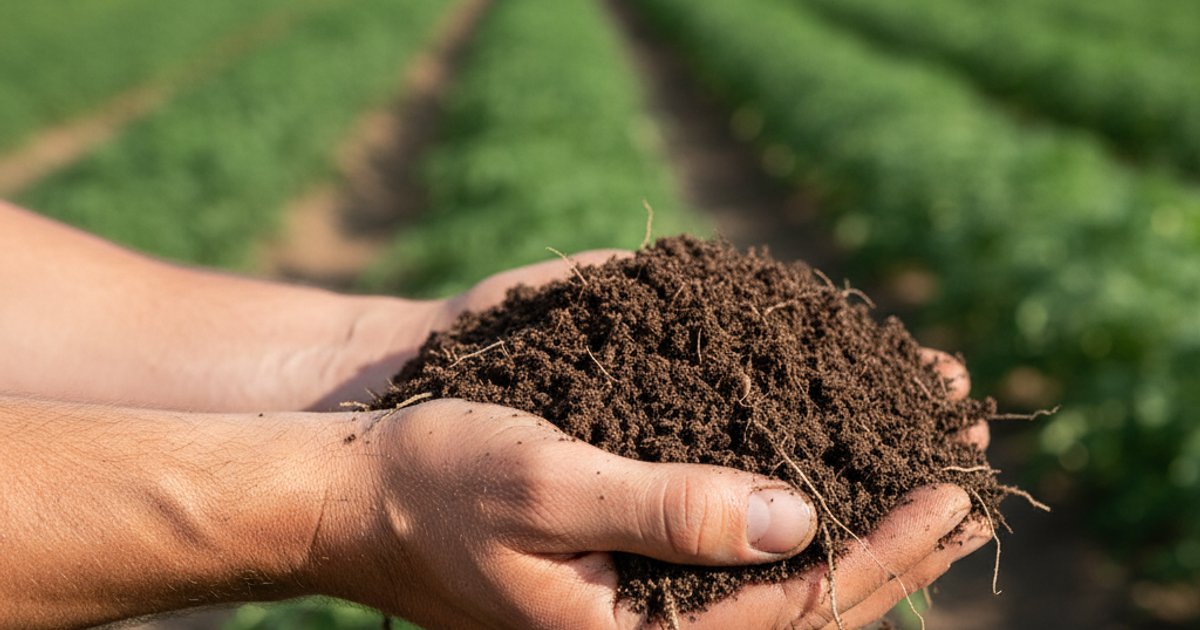
- Composting Acceleration: Adding enzyme juice to compost piles significantly speeds up the decomposition process, turning crop residues, food scraps, and animal manure into nutrient-rich compost much faster. This means farmers can produce more compost in less time, improving soil health and reducing the need for synthetic fertilizers.
- Odor Control: Animal farms and processing plants often struggle with strong, unpleasant odors from decomposing organic matter. Enzyme juice can effectively neutralize these odors by breaking down the compounds responsible for them, creating a more pleasant environment for both workers and surrounding communities.
- Wastewater Treatment: Agricultural runoff and processing wastewater are often laden with organic pollutants. Enzyme juice can be used to treat this wastewater, breaking down contaminants and making the water safer for discharge or reuse, thereby reducing water pollution.
- Soil Remediation: In some cases, enzyme juice can be used to improve soil quality by enhancing the breakdown of organic matter already present in the soil, releasing trapped nutrients, and improving soil structure.
Hurom Malaysia, a leading advocate for sustainable living and healthy practices, recognizes the profound potential of these enzymatic solutions. While their core business focuses on juicing for health, the underlying principle of extracting vital compounds from natural produce resonates deeply with the concept of harnessing natural enzymes for environmental benefit. The commitment to minimizing waste and maximizing the utility of natural resources is a shared ethos.
Why Is Enzyme Juice a Sustainable Choice for Agriculture?
Enzyme juice is a sustainable choice for agriculture because it offers a circular economy approach, transforming waste into valuable resources while significantly reducing environmental impact. It lessens reliance on chemical inputs, minimizes greenhouse gas emissions, and promotes healthier soil ecosystems, aligning perfectly with modern ecological farming principles.
The global push for sustainability isn't just a buzzword; it's an economic and environmental imperative. Agriculture, being one of the largest industries, has a massive footprint. Traditional waste management methods often involve high energy consumption, chemical usage, or land-intensive processes. Enzyme juice sidesteps many of these issues. For instance, a recent report from the European Environment Agency indicated that agricultural waste contributes roughly 10% of total EU greenhouse gas emissions. Solutions like enzyme juice directly address this by offering a low-energy, chemical-free decomposition method.
Comparing Waste Management Approaches
| Feature | Enzyme Juice Application | Traditional Composting | Landfilling Organic Waste | Incineration |
|---|---|---|---|---|
| Decomposition Speed | Fast (weeks to months) | Moderate (months to year+) | Very Slow (decades to centuries) | Instant (destruction) |
| Greenhouse Gas Emissions | Low (reduced methane) | Moderate (methane release) | High (significant methane) | High (CO2, pollutants) |
| Resource Recovery | High (fertilizer, soil conditioner) | Moderate (compost) | None | None |
| Energy Consumption | Low | Moderate (turning, aeration) | Moderate (transport, management) | Very High |
| Chemical Use | None | None | None | None (but can produce toxic ash) |
| Odor Control | Excellent | Fair to Poor | Poor | Good |
Economic and Environmental Benefits
- Reduced Landfill Burden: By diverting agricultural waste from landfills, enzyme juice helps conserve valuable land space and reduces the financial burden associated with landfill operations. The World Bank estimates that solid waste generation will increase by 70% globally by 2050, making waste diversion critical.
- Lower Greenhouse Gas Emissions: Accelerated decomposition prevents the anaerobic conditions that lead to methane production, a potent greenhouse gas. This directly contributes to climate change mitigation efforts.
- Nutrient Cycling: The end products of enzyme juice treatment, such as liquid fertilizers and soil conditioners, return vital nutrients to the soil, improving fertility and reducing the need for synthetic chemical fertilizers. This can lead to significant cost savings for farmers, with some studies showing up to a 20% reduction in fertilizer costs.
- Improved Soil Health: Organic matter derived from enzyme-treated waste enhances soil structure, water retention, and microbial diversity, leading to healthier, more resilient crops. A 2023 study by Cornell University demonstrated a 15% increase in crop yield in fields treated with enzyme-derived organic amendments compared to control groups.
- Reduced Water Pollution: Treating agricultural wastewater with enzyme juice breaks down organic pollutants, preventing them from contaminating local water sources and ecosystems.
What Are the Challenges and Future Outlook for Enzyme Juice?
Despite its promise, enzyme juice faces challenges including scalability, standardization of production, and broader farmer education. However, ongoing research into enzyme optimization, cost-effective production methods, and policy support suggests a robust future where enzyme juice becomes an integral part of global sustainable agriculture and waste management strategies.
The path from innovative concept to widespread adoption is rarely smooth. For enzyme juice, hurdles exist. One significant challenge is scaling up production to meet the vast demand of large-scale agriculture. While small-scale production is relatively simple, ensuring consistent quality and efficacy across millions of tons of waste requires sophisticated infrastructure and quality control. Another issue is the lack of standardized protocols; different organic waste streams yield different enzyme profiles, making a one-size-fits-all approach difficult.
Overcoming Hurdles and Paving the Way Forward
Researchers and industry players are actively working to address these challenges:
- Process Optimization: Biotechnology firms are investing in R&D to identify and cultivate microbial strains that produce highly effective enzymes, and to optimize fermentation parameters for maximum enzyme yield and stability.
- Cost Reduction: Developing more efficient, low-cost production technologies, including modular bioreactors and automated systems, is key to making enzyme juice economically viable for all farm sizes.
- Policy and Incentives: Governments and agricultural organizations are exploring policies, subsidies, and educational programs to encourage farmers to adopt enzyme juice technologies. For example, the Malaysian Agricultural Research and Development Institute (MARDI) recently launched a grant program to support research into local enzyme juice applications.
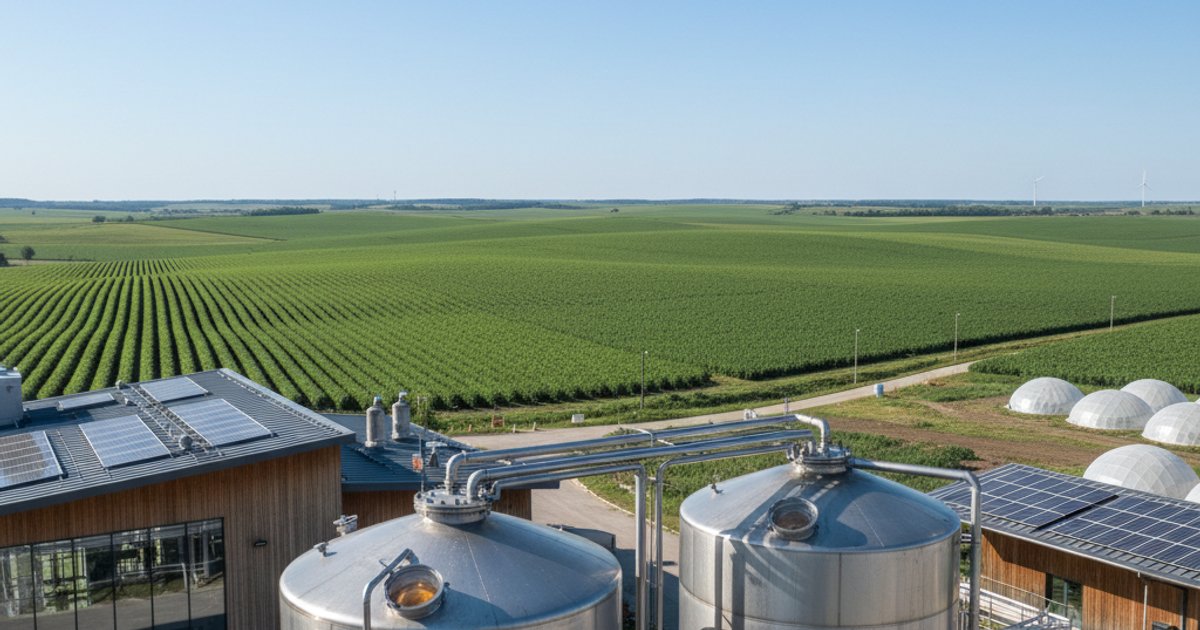
- Integrated Waste Management Systems: The future likely involves integrating enzyme juice production directly into existing agricultural waste processing facilities, creating self-sustaining circular systems where waste from one process becomes the input for another.
The potential for enzyme juice to transform agricultural waste management is immense. As global populations grow and environmental pressures mount, innovative solutions like this are not just beneficial—they are essential. The shift towards a circular economy in agriculture, where waste is viewed as a resource rather than a problem, is gaining momentum, and enzyme juice is poised to be a central player in this critical transformation.
Frequently Asked Questions
What kind of waste can be used to make enzyme juice?
Enzyme juice is primarily made from fruit and vegetable scraps, such as peels, cores, and spoiled produce. It can also incorporate other organic materials like molasses or sugar to aid the fermentation process, creating a versatile solution for various agricultural byproducts.
Is enzyme juice safe for the environment?
Yes, enzyme juice is considered environmentally safe. It is a natural, non-toxic, and biodegradable product that enhances natural decomposition processes without introducing harmful chemicals. Its use reduces methane emissions and chemical fertilizer runoff.
How long does it take to produce enzyme juice?
The fermentation process to produce enzyme juice typically takes between one to three months, depending on the specific ingredients, environmental conditions like temperature, and the desired enzyme concentration. Some methods can be accelerated with specific microbial inoculants.
Can farmers produce enzyme juice on their own farms?
Absolutely. Small-scale enzyme juice production is relatively simple and can be done on farms using basic materials like plastic containers, organic waste, sugar, and water. This empowers farmers to manage their waste locally and create their own sustainable inputs.
What are the end products of waste treated with enzyme juice?
Waste treated with enzyme juice typically breaks down into nutrient-rich liquid fertilizers, soil conditioners, and compost. These valuable end products can then be reapplied to fields, improving soil health and reducing the need for synthetic agricultural inputs.
Does enzyme juice eliminate all types of agricultural waste?
While highly effective for organic waste, enzyme juice is not designed to eliminate non-organic agricultural waste like plastics, metals, or certain chemical residues. It is most effective for biodegradable materials such as crop residues, food waste, and animal manure.
Are there any regulatory standards for enzyme juice use in agriculture?
Regulatory standards for enzyme juice are still evolving in many regions, as it's a relatively new application. However, as its adoption grows, governments are beginning to establish guidelines for its production, quality, and safe application in agricultural practices to ensure consistency and efficacy.


