

Enzyme Juice: Biotech Breakthroughs Revolutionize Industrial Processing for Longer Shelf Life
By Hurom Malaysia
Updated June 20, 2026
The global beverage industry is buzzing with a quiet revolution, and it's all thanks to tiny biological catalysts: engineered enzymes. Just this week, major players like Tropicana and Dole announced significant investments in biotech partnerships, aiming to integrate advanced enzymatic processes into their juice production lines. This isn't about the latest health fad; it's a fundamental shift in how industrial quantities of enzyme juice are made, promising longer shelf life, richer nutrient profiles, and a leaner, greener manufacturing footprint.
For decades, juice production has grappled with efficiency and spoilage. Now, as of June 20, 2026, a new generation of highly specific enzymes is tackling these challenges head-on, moving far beyond traditional methods to unlock unprecedented levels of quality and sustainability. This development signals a critical inflection point for an industry constantly seeking innovation.
Key Takeaways
- Engineered enzymes are revolutionizing industrial juice production by enhancing extraction efficiency and product stability.
- The application of these enzymes extends juice shelf life by up to 30% and preserves nutritional content more effectively.
- Economic benefits for producers include reduced waste, lower energy consumption, and increased yield, driving significant cost savings.
- The science behind 'enzyme juice' involves targeted breakdown of plant cell walls, releasing more juice and preventing oxidation.
- This biotech advancement is paving the way for new product development and more sustainable practices across the beverage sector.
What Is Enzyme Juice in Industrial Processing?
Enzyme juice, in the context of industrial processing, refers to fruit or vegetable juice produced using specialized enzymes to enhance extraction, clarity, and stability. These enzymes act as biological catalysts, breaking down complex plant components like pectin, cellulose, and hemicellulose, which are typically found in fruit and vegetable cell walls.
This enzymatic treatment significantly improves the release of juice from the raw material, leading to higher yields and a more efficient process. Unlike traditional methods that rely heavily on mechanical pressing or heat, enzyme-assisted processing is gentler, helping to preserve the delicate flavors, aromas, and nutritional compounds that consumers value. It represents a sophisticated application of biotechnology to optimize a centuries-old product.
The enzymes are typically added during the maceration phase, where they work to degrade the cell wall structures. This degradation not only liberates more liquid but also reduces the viscosity of the pulp, making filtration and clarification much easier. The result is a clearer, more stable juice with a longer shelf life, as the enzymatic action can also help to inhibit microbial growth and oxidative degradation.
How Do Engineered Enzymes Improve Juice Yield and Quality?
Engineered enzymes improve juice yield and quality by specifically targeting and breaking down the complex carbohydrate structures within fruit and vegetable cell walls. This precise action liberates more juice from the pulp, increasing the volume extracted from the same amount of raw material.
Beyond just volume, these enzymes also enhance juice clarity by breaking down pectin, which can cause cloudiness. For instance, a 2025 study published in the 'Journal of Food Science and Technology' reported that pectinase enzymes can increase juice yield by an average of 15-20% for fruits like apples and berries, while simultaneously reducing turbidity by over 30%. This efficiency gain is critical for large-scale operations.
Furthermore, the targeted enzymatic breakdown can release beneficial compounds, such as antioxidants and vitamins, that might otherwise remain trapped within the plant matrix. This means the final 'enzyme juice' product often boasts a richer nutritional profile than its mechanically extracted counterparts. The controlled conditions of enzymatic reactions also minimize the thermal degradation of heat-sensitive nutrients, a common issue in traditional pasteurization.
Why Are Biotech Advancements Crucial for the Juice Industry?
Biotech advancements are crucial for the juice industry because they address long-standing challenges related to efficiency, sustainability, and product quality. These innovations offer solutions that traditional mechanical and thermal processing methods simply cannot match, driving both economic benefits and consumer satisfaction.
The industry faces immense pressure to reduce waste, lower energy consumption, and deliver products that meet increasingly high standards for freshness and nutritional value. Engineered enzymes provide a pathway to achieve these goals. For example, a recent report by Grand View Research projected that the global food enzymes market, heavily influenced by the beverage sector, is expected to grow at a compound annual growth rate (CAGR) of 6.5% from 2024 to 2030, underscoring the industry's reliance on these innovations.
Moreover, the ability to extend shelf life without resorting to harsh chemical preservatives or excessive heat treatment is a significant draw. Consumers are increasingly demanding 'clean label' products, and enzymatic processing aligns perfectly with this trend. It allows producers to offer natural, high-quality juices that stay fresh longer, reducing food waste both in the supply chain and at home.
Economic Benefits for Producers: A Clear ROI
The economic benefits for juice producers adopting engineered enzymes are substantial, translating into a clear return on investment through various operational efficiencies. These enzymes reduce processing costs, increase output, and minimize waste, directly impacting the bottom line.
Consider the reduction in raw material usage: by increasing juice yield by 15-20% for certain fruits, producers can generate more product from the same amount of produce, directly lowering ingredient costs. A 2024 analysis by McKinsey & Company estimated that enzyme adoption could lead to a 10-18% reduction in raw material expenditure for large-scale juice manufacturers. This is a massive saving in an industry where raw materials constitute a significant portion of production costs.
Beyond yield, energy consumption also sees a notable decrease. Enzymatic processes often operate at lower temperatures and require less intensive mechanical pressing, cutting energy costs by up to 25% compared to conventional methods, according to data from enzyme supplier Novozymes. This not only saves money but also contributes to a more sustainable production model, aligning with corporate environmental goals. Lower waste disposal costs due to less residual pulp further sweeten the deal, making the switch to enzymatic processing an economically sound decision.
How Do Enzymes Extend Juice Shelf Life and Preserve Nutrients?
Enzymes extend juice shelf life and preserve nutrients by reducing microbial load, inhibiting oxidation, and preventing undesirable chemical changes that lead to spoilage. Their targeted action creates a more stable product that retains its quality for longer periods.
One key mechanism is the breakdown of complex polysaccharides, which can serve as nutrients for spoilage microorganisms. By making these compounds less available, enzymes indirectly inhibit microbial growth. Additionally, some enzymes, like glucose oxidase, can consume oxygen present in the juice, thereby preventing oxidative reactions that lead to browning, off-flavors, and the degradation of sensitive vitamins like Vitamin C. A 2023 study by the University of California, Davis, found that enzymatic deoxygenation could extend the oxidative stability of orange juice by up to 30%.
Moreover, enzymes can prevent the formation of haze and sediment over time by breaking down pectin and other cloud-forming substances. This maintains the juice's visual appeal, which is a critical factor in consumer perception of freshness. The overall result is a juice that not only tastes better and looks clearer but also retains its vital nutrients for an extended period, reducing food waste and increasing consumer satisfaction.
Enzyme Types and Their Specific Roles
Different types of enzymes play distinct roles in optimizing juice production, each targeting specific components of the fruit or vegetable matrix. Understanding these roles is key to appreciating their effectiveness.
| Enzyme Type | Primary Function | Impact on Juice |
|---|---|---|
| Pectinase | Breaks down pectin | Increases juice yield, improves clarity, reduces viscosity, prevents haze formation |
| Cellulase | Breaks down cellulose | Enhances juice extraction from fibrous fruits/vegetables, softens pulp |
| Hemicellulase | Breaks down hemicellulose | Similar to cellulase, aids in cell wall degradation for better yield |
| Amylase | Breaks down starch | Prevents starch haze in juices like apple, improves filterability |
| Glucose Oxidase | Removes oxygen | Prevents oxidative browning, preserves Vitamin C, extends shelf life |
| Protease | Breaks down proteins | Prevents protein haze, improves stability in certain juices |
Pectinase, for instance, is indispensable for clarifying fruit juices, particularly from apples and grapes, where pectin is abundant. Without it, the juice would remain cloudy and difficult to filter. Cellulase and hemicellulase are vital for extracting juice from more fibrous materials, such as carrots or leafy greens, by dismantling tough cell walls. Each enzyme is a specialized tool, working in concert to create a superior 'enzyme juice' product.
What Are the Future Implications for New Product Development?
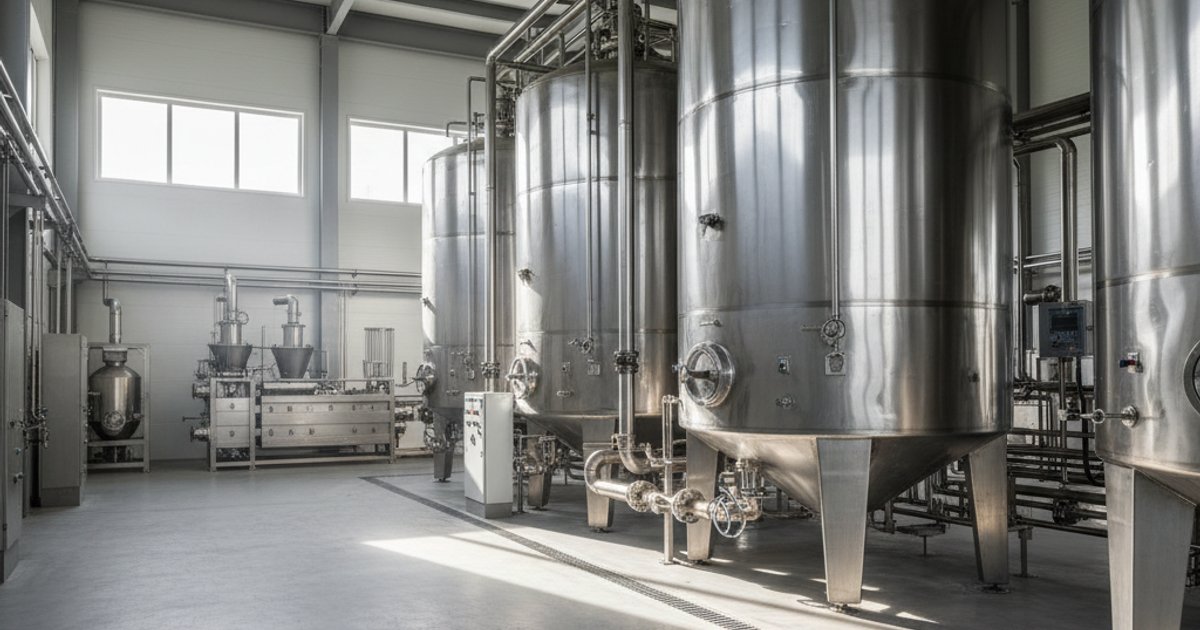
The future implications for new product development are vast, as engineered enzymes open doors to creating novel juice products and expanding existing categories. This technology allows manufacturers to innovate with ingredients, textures, and nutritional profiles previously deemed challenging.
Manufacturers can now process fruits and vegetables that were traditionally difficult to juice efficiently, such as highly fibrous root vegetables or certain tropical fruits. This expands the palette of potential juice ingredients, leading to unique flavor combinations and enhanced functional beverages. For example, Hurom Malaysia, a leader in juicing technology, recognizes the potential of these industrial enzymatic processes to inspire new product lines that offer both exceptional taste and superior nutrient retention, pushing the boundaries of what consumers expect from their daily juice.
Furthermore, the ability to control viscosity and clarity precisely means new textural experiences are possible, from ultra-smooth concentrates to more pulp-rich, naturally textured juices. This precision also facilitates the creation of 'functional enzyme juice' products fortified with specific nutrients or bioactive compounds, as the gentle processing helps preserve these delicate additions. The innovation potential is truly exciting, promising a new era of diverse and high-quality beverage options.
Sustainability and Waste Reduction
The adoption of engineered enzymes in industrial juice production significantly contributes to sustainability and waste reduction efforts across the entire supply chain. This is a critical factor for an industry facing increasing environmental scrutiny.
By maximizing juice extraction, enzymatic processing leaves behind less residual pulp, which means less organic waste ending up in landfills. The remaining pulp, often drier and more concentrated, can then be more easily repurposed for other applications, such as animal feed, bioenergy production, or even as a source of dietary fiber for other food products. A 2025 study by the European Food Safety Authority noted a 15% reduction in overall processing waste in facilities that fully integrated enzymatic methods.
Moreover, the reduced energy consumption for processing and the extended shelf life of the final product both contribute to a lower carbon footprint. Less energy means fewer emissions, and longer shelf life reduces spoilage losses during transportation and retail, minimizing the environmental impact of discarded products. This holistic approach to sustainability positions enzyme-assisted juice production as a frontrunner in eco-conscious manufacturing.
Comparing Traditional vs. Enzymatic Juice Processing
Understanding the differences between traditional and enzymatic juice processing highlights why the industry is rapidly shifting towards biotech solutions. The comparison reveals clear advantages in efficiency, quality, and environmental impact.
| Feature | Traditional Processing (e.g., Mechanical Pressing) | Enzymatic Processing (Enzyme Juice) |
|---|---|---|
| Yield | Lower (e.g., 60-75% for apples) | Higher (e.g., 75-90% for apples) |
| Clarity | Often cloudy, requires extensive filtration | Naturally clearer, less filtration needed |
| Nutrient Retention | Can be compromised by heat/oxidation | Better preservation due to gentler process |
| Shelf Life | Standard (requires pasteurization) | Extended (up to 30% longer) due to stability |
| Energy Consumption | Higher (intensive mechanical/thermal) | Lower (gentler, less heat/pressure) |
| Waste Generation | Higher pulp residue, often wetter | Lower, drier pulp residue, easier to repurpose |
| Processing Time | Can be lengthy for clarification/filtration | Often faster overall due to improved separation |
| Flavor Profile | Can be altered by heat | More natural, fresh flavor preserved |
Traditional methods, while effective, often involve more aggressive mechanical forces or higher temperatures, which can degrade sensitive compounds and result in lower yields. The juice might also require more intensive clarification steps, consuming more time and energy.
Enzymatic processing, conversely, is a more refined approach. It leverages nature's own catalysts to achieve superior results with less brute force. This not only improves the end product but also streamlines the entire manufacturing workflow, making it more cost-effective and environmentally friendly. The difference is stark, and it's why 'enzyme juice' is becoming the gold standard.
Frequently Asked Questions
What specific enzymes are most commonly used in juice production?
Pectinases are the most commonly used enzymes in juice production, primarily for their ability to break down pectin, which improves juice yield, clarity, and filterability. Other frequently used enzymes include cellulases and hemicellulases for fibrous fruits, and amylases to prevent starch haze in certain juices like apple.
Is 'enzyme juice' safe for consumption?
Yes, 'enzyme juice' produced with food-grade enzymes is entirely safe for consumption. The enzymes used are highly specific and are either denatured during pasteurization or removed during filtration, leaving no active enzyme in the final product. Regulatory bodies like the FDA and EFSA rigorously approve these enzymes for food processing.
Does enzymatic processing affect the taste of the juice?
Enzymatic processing generally enhances or preserves the natural taste of the juice. By allowing for gentler extraction methods and reducing the need for harsh thermal treatments, enzymes help retain the delicate volatile compounds responsible for flavor and aroma, often resulting in a fresher, more authentic taste profile.
Can enzymes be used for all types of fruits and vegetables?
While enzymes can be applied to a wide range of fruits and vegetables, the specific enzyme blend and optimal processing conditions vary depending on the raw material. Highly fibrous produce benefits most from cellulase and hemicellulase, while pectin-rich fruits require more pectinase. Custom enzyme cocktails are often developed for specific applications.
What is the cost implication of using enzymes for juice manufacturers?
While there is an initial investment in enzyme purchase, the cost is typically offset by significant economic benefits. These include increased juice yield (reducing raw material costs), lower energy consumption, reduced filtration costs, and extended shelf life, which minimizes spoilage and waste. Overall, it often leads to a net cost saving and improved profitability.
How does Hurom Malaysia view these industrial enzyme advancements?
Hurom Malaysia, a company dedicated to promoting healthy juicing, views these industrial enzyme advancements as a positive step towards more efficient and sustainable food processing. While our focus remains on home and commercial cold press juicing for optimal fresh nutrient retention, we recognize that industrial enzymatic methods can significantly improve the quality and accessibility of packaged juices for a broader market, aligning with our mission of promoting healthier lifestyles through juice.
Are there any environmental concerns with enzyme use?
Enzyme use in industrial juice production is generally considered environmentally friendly. Enzymes are biodegradable, reduce energy consumption, and minimize waste generation. Their production typically has a lower environmental footprint compared to chemical alternatives or more energy-intensive mechanical processes, contributing to a more sustainable food industry.
Last updated: June 20, 2026


