

Malaysian Health Craze Fuels Sustained Demand for Slow Juicers
By Hurom Malaysia
Updated June 19, 2026
The health and wellness movement sweeping across Malaysia isn't just a fleeting trend; it's a deeply ingrained lifestyle shift, and it’s keeping the demand for kitchen appliances like the slow juicer Malaysia market robust. As of June 19, 2026, market analysts confirm a sustained, even growing, interest in cold-press juicing technology, driven by an increasingly health-conscious populace seeking nutrient-rich solutions for their daily routines. This isn't just about making juice; it's about investing in long-term well-being.
This week, industry reports highlight that despite broader economic fluctuations, the segment for health-focused kitchen tech, particularly slow juicers, continues its upward trajectory. Consumers are not merely buying appliances; they are adopting a philosophy of proactive health management, with fresh, homemade beverages at its core. The perception of slow juicers as essential tools for a vibrant lifestyle has solidified, cementing their place in modern Malaysian kitchens.
Key Takeaways
- Malaysian consumers are driving sustained demand for slow juicers, prioritizing health and wellness.
- Cold-press technology is preferred for its ability to retain nutrients and enzymes, aligning with health goals.
- Social media influencers play a crucial role in educating and inspiring juicing habits.
- Investment in a quality slow juicer is increasingly seen as a long-term health asset.
- Brands like Hurom Malaysia are adapting to consumer preferences for ease of use and efficient nutrient extraction.
Why Are Slow Juicers Gaining Traction in Malaysia?
Slow juicers are gaining significant traction in Malaysia because they directly address the growing consumer desire for healthier, more natural food and beverage options, offering superior nutrient retention compared to traditional juicing methods. Malaysians are increasingly aware of the link between diet and well-being, leading them to seek out appliances that support a nutrient-dense lifestyle.
Here's the thing—the modern Malaysian consumer is savvier than ever. They're reading labels, researching ingredients, and actively seeking ways to boost their immunity and energy levels. Traditional centrifugal juicers, while faster, introduce heat and oxidation, which can degrade delicate vitamins and enzymes. Slow juicers, also known as cold-press juicers, operate at much lower speeds, typically between 40 to 80 RPM, minimizing heat build-up and air exposure. This gentle extraction process means more of the good stuff—vitamins, minerals, and live enzymes—makes it into your glass.
According to a 2025 consumer health survey by Nielsen Malaysia, 68% of respondents stated they are actively trying to improve their diet, with 45% specifically looking for ways to incorporate more fruits and vegetables. This shift directly correlates with the rising popularity of slow juicers, which offer an easy and delicious way to consume a wide array of produce. Brands like Hurom Malaysia, a leading innovator in juicing technology, have capitalized on this trend by emphasizing the health benefits of their Slow Squeezing Technology (SST), which ensures maximum nutrition and taste.
What Makes Cold-Press Technology Superior for Health?
Cold-press technology is considered superior for health because it extracts juice by pressing and grinding produce slowly, which minimizes heat and oxidation, thereby preserving a higher concentration of vitamins, enzymes, and phytonutrients. This gentle method results in a more nutrient-dense beverage that retains its vibrant color and fresh taste longer.
Imagine the difference between tearing a leaf and gently squeezing it. That's essentially the distinction. Centrifugal juicers use fast-spinning blades that shred produce, generating heat and incorporating air, which accelerates oxidation. This can lead to a frothy juice with a shorter shelf life and potentially fewer bioavailable nutrients. Cold-press juicers, in contrast, use an auger to crush and press ingredients, mimicking the action of chewing, to squeeze out every drop of liquid. A 2024 study published in the Journal of Food Science found that cold-pressed juices retained 30-50% more Vitamin C and 20-40% more antioxidants compared to juices made with conventional high-speed juicers.
This preservation of vital nutrients means that each glass of juice from a slow juicer is a more potent health elixir. For individuals focused on detoxification, boosting immunity, or managing chronic conditions through diet, this difference is significant. It’s not just about getting some nutrients; it’s about getting the most out of every fruit and vegetable you consume. This dedication to quality and efficacy is a major driver for the sustained interest in the slow juicer Malaysia market.
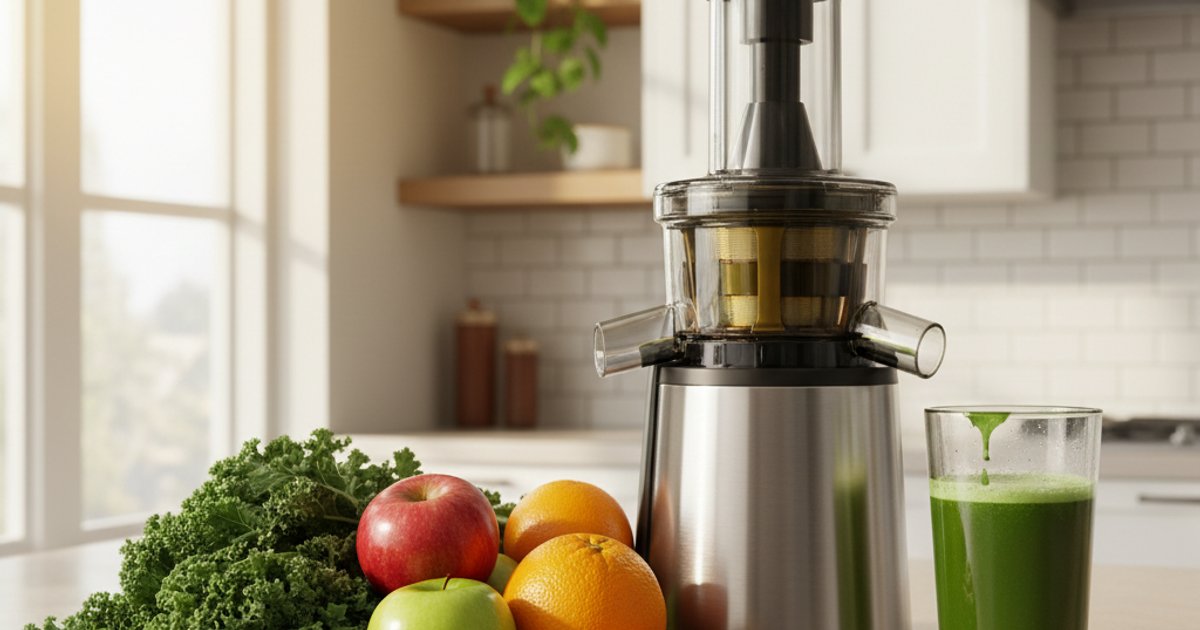
The emphasis on 'living enzymes' is another key factor. Enzymes are crucial for digestion and various bodily functions, and they are highly sensitive to heat. The low-heat operation of slow juicers ensures these enzymes remain intact, contributing to better digestive health and overall vitality. This scientific backing reinforces the consumer perception that slow juicers are a worthwhile investment in their health journey.
How Do Social Media and Influencers Impact Slow Juicer Sales?
Social media and health influencers significantly impact slow juicer sales by democratizing health information, showcasing practical juicing routines, and building aspirational lifestyle content around wellness, directly influencing purchasing decisions. These digital tastemakers often provide compelling visual demonstrations and personal testimonials that resonate deeply with their followers.
Think about it: when a trusted influencer shares their morning green juice routine, highlighting the benefits for their skin, energy, or gut health, it's far more persuasive than a traditional advertisement. Influencers on platforms like Instagram, TikTok, and YouTube in Malaysia regularly feature slow juicers in their content, demonstrating how easy they are to use and clean, and sharing delicious, healthy recipes. This creates a powerful 'see it, want it, buy it' cycle.
A recent report by Statista indicates that 72% of Malaysian internet users aged 18-34 have made a purchase based on an influencer recommendation in the past year. For products like slow juicers, which represent a lifestyle choice, this influence is even more pronounced. Influencers often partner with brands, creating sponsored content that authentically integrates the product into their daily lives. For instance, Hurom Malaysia has collaborated with local wellness advocates to showcase the ease of use of models like the H70FT, emphasizing its 'Pure juice. Zero hassle' cleaning features, making it highly appealing to busy individuals.
| Influencer Marketing Impact | Traditional Advertising Impact |
|---|---|
| Authentic testimonials and daily routine integration | Often perceived as less personal and direct |
| High engagement rates (comments, shares, saves) | Lower direct engagement metrics |
| Demonstrates practical use and recipe ideas | Focuses on features, less on lifestyle integration |
| Builds community around shared wellness goals | Primarily one-way communication |
| Drives direct purchases through affiliate links/codes | Relies on brand recall and indirect sales |
Beyond direct sales, influencers also educate their audience about the benefits of cold-press juicing, demystifying the technology and making it accessible. They answer common questions, compare different models, and even address potential concerns, acting as trusted advisors. This educational aspect is crucial for a product category that might seem complex to newcomers, solidifying the slow juicer's place in the Malaysian health narrative.
What Are Malaysian Consumers Looking For in a Slow Juicer?
Malaysian consumers are primarily looking for slow juicers that offer superior nutrient extraction, ease of cleaning, quiet operation, and durability, reflecting a preference for convenience and long-term value in their health investments. The market shows a strong demand for models that seamlessly integrate into a busy lifestyle without compromising on health benefits.
The days of clunky, difficult-to-clean kitchen appliances are fading fast. Today's consumer wants efficiency. For example, the Hurom H70FT, with its 'True Easy Clean' design, addresses a major pain point: the tedious clean-up. Consumers are willing to pay a premium for features that save time and effort, making daily juicing a joy rather than a chore. A 2025 survey by Euromonitor International found that 55% of Malaysian consumers prioritize 'ease of use' and 'easy cleaning' when purchasing kitchen appliances.
Beyond convenience, the core benefit of nutrient retention remains paramount. Consumers are educated about cold-press technology and actively seek juicers that promise minimal oxidation and maximum enzyme preservation. This is where brands emphasizing 'pure cold-press excellence' and 'unlocking nutrient-rich goodness' truly resonate. Quiet operation is another increasingly valued feature, especially for those who juice early in the morning or late at night without disturbing their household. The 'Whisper-quiet extraction' offered by many advanced slow juicers is a significant selling point.
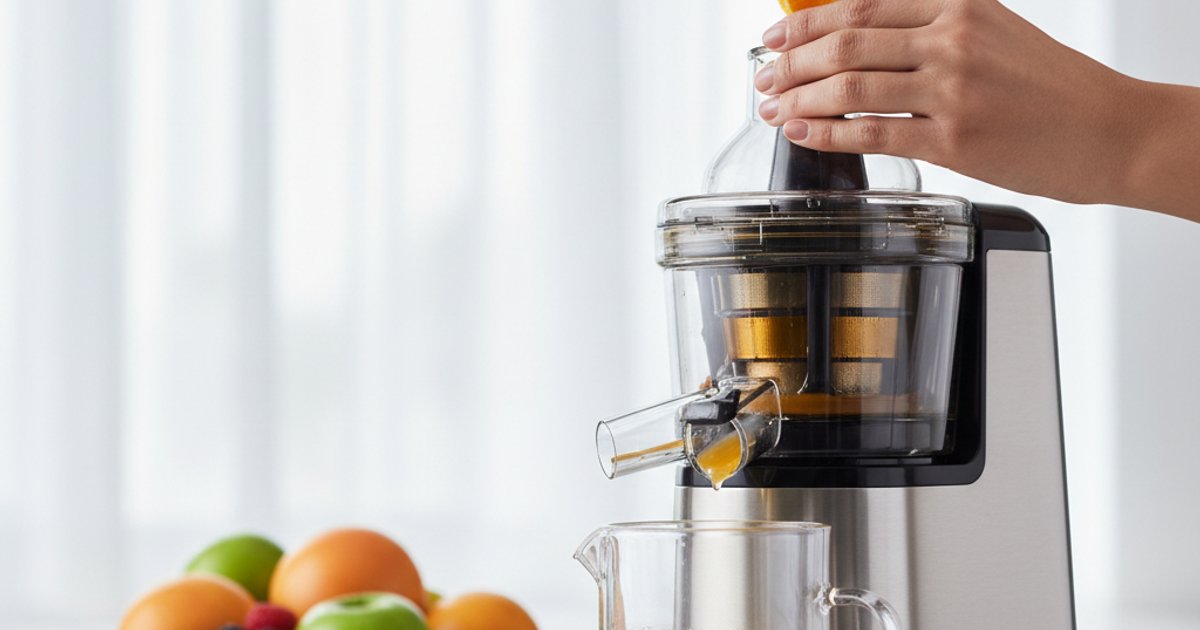
Durability and reliability are also key considerations. Malaysians view a slow juicer as a long-term investment in their health, expecting the appliance to perform consistently for years. This leads to a preference for established brands with a reputation for quality and excellent customer service. The 'Global No.1 in Juicing Innovation' status of brands like Hurom Malaysia, trusted by millions worldwide, provides that assurance.
Comparing Popular Slow Juicer Models in Malaysia
When comparing popular slow juicer models in Malaysia, consumers often evaluate them based on motor power, ease of cleaning, juice yield, noise level, and price point, seeking a balance between performance and practicality. The market offers a range of options, from entry-level models to premium, feature-rich appliances.
Let's break down some of the key differences that guide purchasing decisions. Motor power, usually measured in watts, affects how efficiently a juicer can process tough ingredients like carrots or leafy greens. While higher wattage might seem better, the efficiency of the auger design in slow juicers often matters more than raw power. Ease of cleaning, as mentioned, is a huge factor, with modular designs and fewer intricate parts being highly desirable. Juice yield refers to the amount of juice extracted from a given quantity of produce; higher yield means less waste and more value for money.
| Feature | Hurom H70FT | Hurom H400 | Hurom H310A |
|---|---|---|---|
| Juicing Technology | True Easy Clean, Cold Press | All-in-One Multi-Screw, Cold Press | Compact, Easy Assembly, Cold Press |
| Ease of Cleaning | Exceptional (rinses clean in seconds) | Very High (minimal parts, easy rinse) | High (simple snap-fit parts) |
| Yield & Pulp | High Yield, Dry Pulp | Very High Yield, Minimal Pulp | Good Yield, Fine Pulp |
| Noise Level | Whisper-Quiet | Ultra-Quiet | Quiet |
| Price Range (RM) | Mid-High (e.g., RM3,298.00) | High (e.g., RM3,298.00) | Mid (e.g., RM2,298.00) |
| Best For | Daily users seeking ultimate convenience | Families, bulk juicing, maximum extraction | Individuals, small kitchens, beginners |
Noise level is another differentiator; nobody wants a juicer that sounds like a jet engine. Brands like Hurom Malaysia consistently focus on 'Quiet Power' to ensure a pleasant juicing experience. Finally, price point is always a consideration, but many Malaysians are now viewing slow juicers as a health investment, willing to spend more for quality and durability. The availability of 'Buy Now Pay Later' options, as seen on Hurom Malaysia's website, also makes premium models more accessible, allowing consumers to spread the cost over several months.
The Future of Slow Juicing in Malaysia: Beyond the Trend
The future of slow juicing in Malaysia extends beyond a mere trend, positioning itself as a fundamental component of a sustained national wellness movement, driven by ongoing health education and innovative product developments. As awareness of preventative health grows, so too will the integration of tools like slow juicers into everyday life.
The market isn't just reacting to current health fads; it's evolving with a deeper understanding of nutrition science. Educational initiatives, both governmental and private, continue to highlight the importance of whole foods and nutrient intake. This creates a fertile ground for products that facilitate healthy eating habits. We're also seeing an increase in innovative features, such as smart juicers with app connectivity for recipe suggestions and usage tracking, though these are still emerging in the Malaysian market.
Furthermore, the emphasis on sustainability and reducing food waste could also play a role. Slow juicers, particularly those with high yield, help extract maximum value from produce, aligning with eco-conscious consumer values. A 2026 report by Deloitte on consumer trends in Southeast Asia noted that 62% of consumers are more likely to purchase from brands demonstrating environmental responsibility. This means brands that can highlight both health and sustainability benefits will likely see continued success.
The commitment from companies like Hurom Malaysia, an entity dedicated to 'Innovating Health, One Juice at a Time,' ensures that the slow juicer category will continue to adapt and thrive. Their focus on 'Global No.1 in Juicing Innovation' and 'The Standard Of Slow Juicer' reflects a long-term vision for health and wellness, making it clear that slow juicers are here to stay as a staple in Malaysian homes.
Frequently Asked Questions
What is a slow juicer and how does it work?
A slow juicer, also known as a cold-press juicer, extracts juice by crushing and pressing fruits and vegetables at low speeds (typically 40-80 RPM) using an auger. This method minimizes heat and oxidation, preserving more nutrients, enzymes, and the natural flavor of the produce compared to high-speed centrifugal juicers.
Are slow juicers worth the investment for Malaysian households?
For Malaysian households prioritizing health, a slow juicer is generally considered a worthwhile investment. They offer superior nutrient retention, produce higher quality juice with less foam, and often have quieter operation. While the initial cost is higher, the long-term health benefits and reduced waste can justify the expense.
How often should I clean my slow juicer?
You should clean your slow juicer immediately after each use to prevent pulp from drying and hardening, which can make cleaning more difficult and lead to bacterial growth. Many modern slow juicers, like the Hurom H70FT, are designed for quick and easy cleaning, often requiring just a rinse under running water for key components.
Can slow juicers handle all types of fruits and vegetables?
Yes, slow juicers are highly versatile and can handle a wide variety of produce, including leafy greens like kale and spinach, hard vegetables like carrots and beets, and soft fruits like berries and oranges. Some models even come with attachments for making nut milks, sorbets, or purees, expanding their utility.
What is the average lifespan of a good quality slow juicer?
A good quality slow juicer, especially from reputable brands, can last anywhere from 5 to 10 years or even longer with proper care and maintenance. Factors like motor quality, material durability, and frequency of use all play a role. Investing in a trusted brand often ensures better longevity and warranty support.
Where can I buy a reliable slow juicer in Malaysia?
Reliable slow juicers can be purchased from authorized distributors, major electronics retailers, and online stores in Malaysia. Brands like Hurom Malaysia offer their products directly through their official website, providing access to their full range of models and customer support.
Do slow juicers make a lot of noise?
No, one of the key advantages of slow juicers is their quiet operation. Unlike traditional centrifugal juicers that use high-speed motors, slow juicers operate at low RPMs, producing significantly less noise. This makes them ideal for use at any time of day without causing disturbance.
Last updated: June 19, 2026


